If you have been suffering from TMJ/TMD, we may be able to help. We make it part of our practice to address issues relating to jaw pain and misalignment.

TMD and TMJ Therapy Calgary AB
Your Downtown Calgary Choice for TMJ/TMD Therapy!
What is TMJ/TMD?
Temporomandibular disorders (TMD) refer to problems associated with jaw movement and pain in and around the jaw joints. The jaw joints, or temporomandibular joints (TMJ) connect the lower jawbone to the skull. You might have TMJ if you notice a popping or clicking sound when you open and close your jaw. If teeth are misaligned, or your bite position is faulty, there will be added strain on the neck and head muscles, joints, and the teeth. After a while, this can lead to symptoms like chronic headaches, jaw pain, soreness, and muscle spasms. You might also experience neck and back issues as your body tries to compensate.

Symptoms of TMD?
- Grinding or clenching your teeth
- Frequent headaches and migraines
- Shoulder and neck pain
- Stiffness
- Ear pain
- Locked jaw and jaw pain
- Bit problems
- Tooth sensitivity
- Clicking or popping sound when opening or closing the mouth
- You have arthritis in other joints throughout your body
- You notice that your teeth no longer touch when you bite together

What are some Causes of TMJ pain?
For some people, oral pain comes as the result of tooth decay or gum disease. But for others, it is TMJ that is the source of significant pain discomfort. A “bad bite” or what is technically referred to as malocclusion can result in TMJ. In other words, when your teeth are misaligned, they put an added strain on the muscles in your jaw. When your jaw muscles are strained, they compensate by constantly contracting, and these contractions lead to muscle spasm, pain, soreness, and a buildup of lactic acid. As your body tries to flush out the muscles, these muscles experience an increase in blood flow that oftentimes results in a headache – pounding or crushing pain.
Treatment for TMJ
Canterra Dental is committed to determining how to make the jaw and its associated structures function normally, so that the associated pain and discomfort can be eliminated. Using neuromuscular dentistry, we will determine the cause of your symptoms, and treat your pain accordingly. If you are diagnosed with a ‘Bad Bite’ or TMJ/TMD, we will start treatment by fitting you with a temporary stabilization appliance known as a custom night guard or splint. The role of the night guard or splint is to keep your muscles in a “happy” position. The aim is to see whether realigning the jaw and preventing jaw clenching will alleviate the symptoms. This custom made, plastic dental device is worn over the upper and lower teeth to help realign the jaw and alleviate the pain associated with any misalignment.
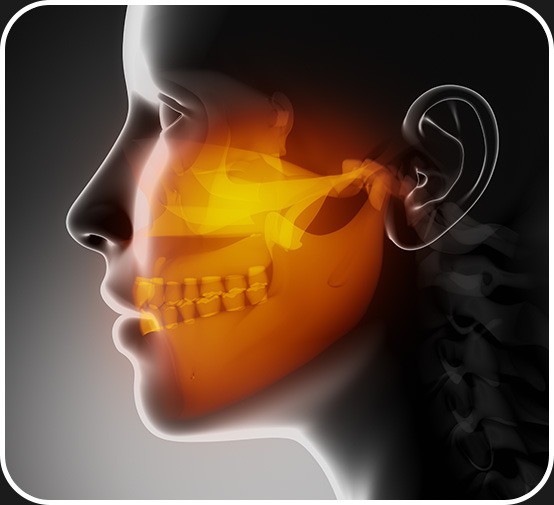
It also helps to protect the teeth so that you bite against the guard or splint rather than your teeth. Splints and night-guards have been shown to provide relief of TMJ symptoms, and are usually a first attempt at treatment before digging deeper for an alternative treatment. Sometimes it is possible to use orthodontic treatment to move the teeth into a position that is comfortable for the muscles, thereby changing the jaw alignment to a more comfortable one and alleviate pain and discomfort.
Call Canterra Dental Centre to see if you might benefit from a mouthguard or splint.
We look forward to hearing from you soon!
Call Canterra Dental (403) 237-6611 to set up your TMJ/TMD appointment today!
Why Choose Canterra Dental


Contact Our Friendly Dental Team




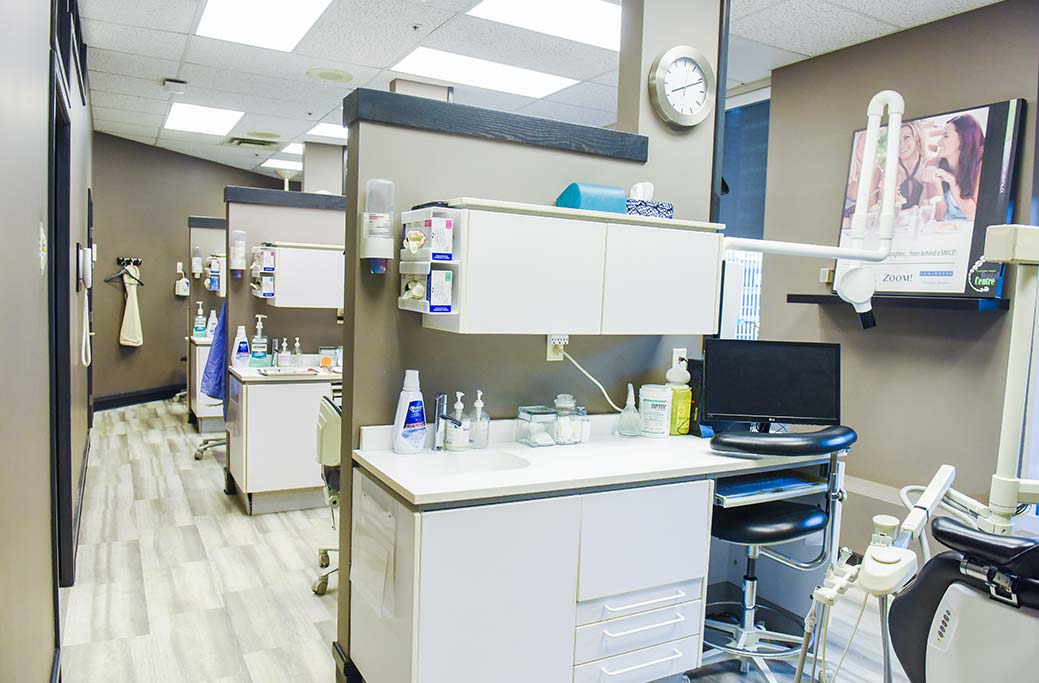
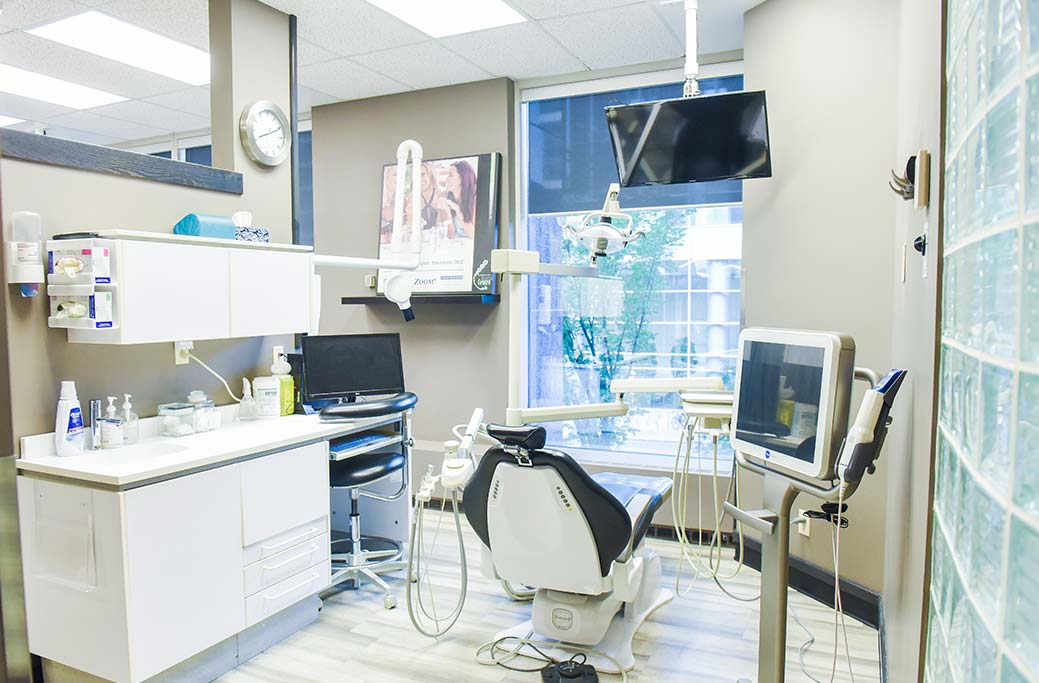
Our Mission
We are committed to maintaining a high standard of dentistry and to provide you with an efficient on-time experience. We believe in openly discussing and explaining your treatment options.
Our goal is to work directly with you to enhance your smile and your overall oral health.
Dr. Dennis Leung, DDS

Contact Us
Suite 230 (2nd Floor)
400 3rd Avenue SW
Calgary, AB T2P 4H2
400 3rd Avenue SW
Calgary, AB T2P 4H2

Our Hours
Monday: 7:00 am to 4:00pm
Tuesday: 7:00 am to 4:00pm
Wednesday: 7:00 am to 4:00 pm
Thursday: 7:00 am to 4:00 pm
Friday: 7:00 am to 2:30 pm
Saturday: Closed
Sundays: Closed
Statutory Holidays: Closed